A Few Days With the Indian Army
I studied in Presentation Convent in Jammu cantonment and there was a tank outside my school. Every day I’d walk past it and wonder what army life was really like. Our tenants at home had always been army officers, moving from state to state, place to place, and I grew up around the world of army uniforms, transfers, and goodbyes that happened more often than they should. I never understood the constant relocation back then, I knew there was something about that life that stayed with me.
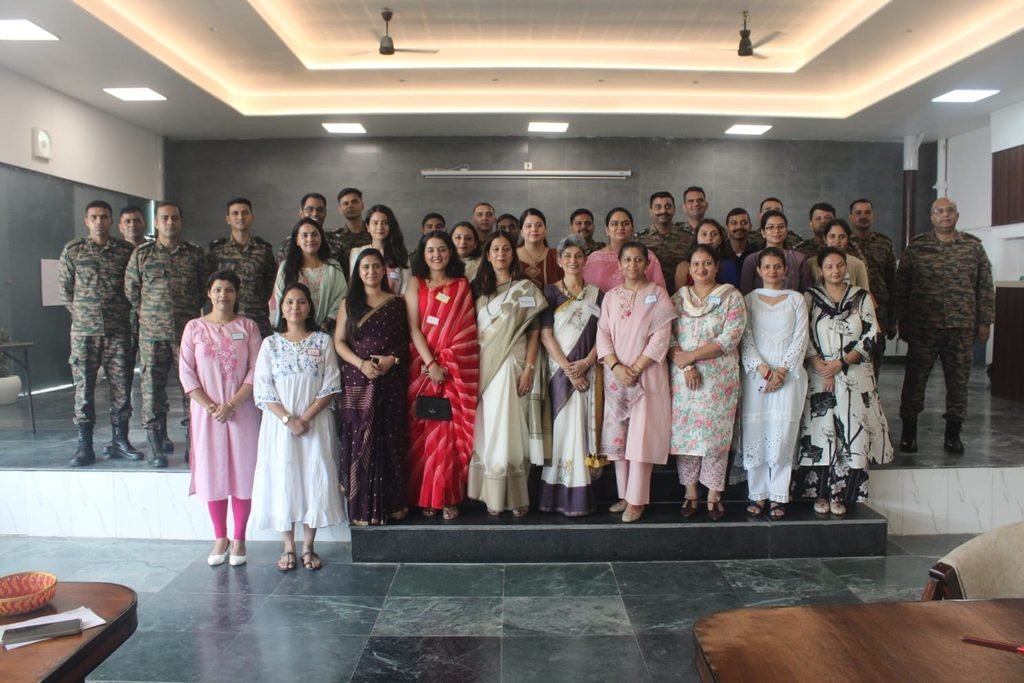
That curiosity never really left. Around the COVID years, I tried to find a way into cantonments to do some facilitation work with army families, but it didn’t work out. Then, not long ago, a senior army officer invited me to facilitate a set of workshops for officers, their wives, and the unit’s teenage children – this time in Bathinda. It was a privilege to say YES before I even knew what work I could do. My colleague Keerthi so happily jumped along to co-facilitate.
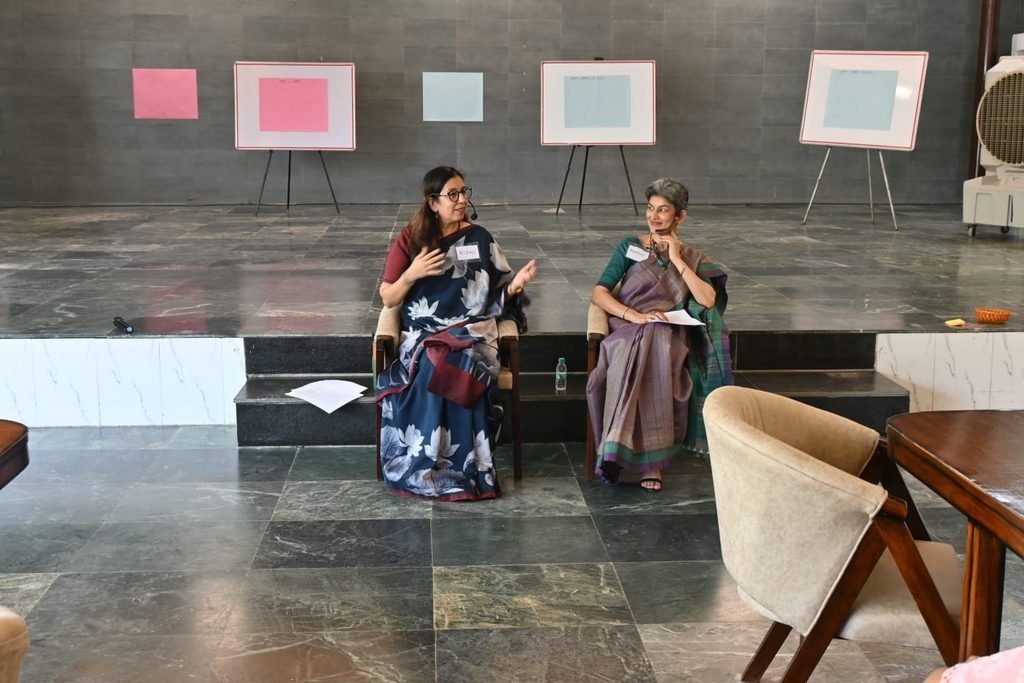
We called the whole series “What’s in Your Backpack” thanks to Rohini Rathor for her book with the same name. The idea was simple: everyone is carrying an invisible backpack nobody else can see, and army wives, in particular, carry theirs in silence. They’re expected to be steady, and not burden anyone, to hold the fort – literally, while managing in-laws, ageing parents, children, and the fear that comes with a husband in places that can be unsafe.
The Wives Who Carry in Silence
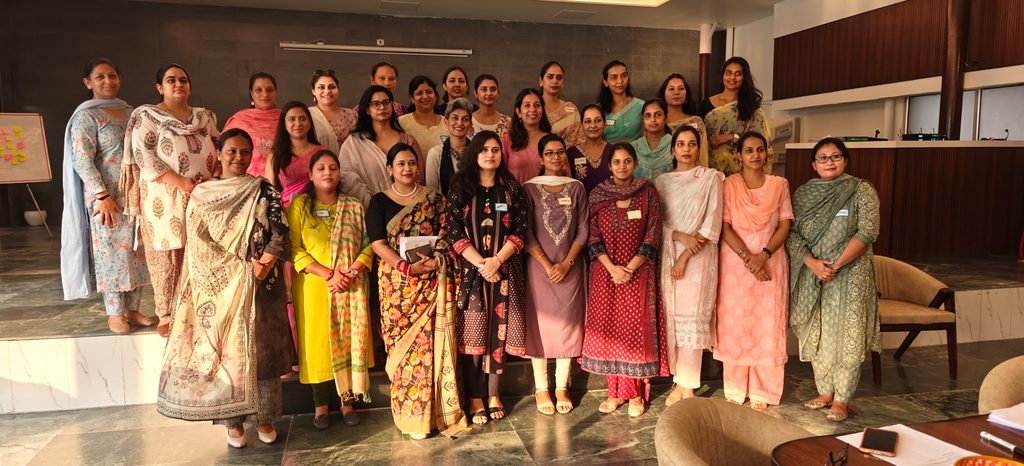
The officers’ wives we met hold a version of resilience that deserves far more recognition than it gets. They move cities the way most of us move furniture, efficiently, without much fuss, usually alone. They build homes in days, hold families steady through partner’s long absences, and keep showing up for everyone around them, often with no expectation that anyone is watching or will ever say thank you.
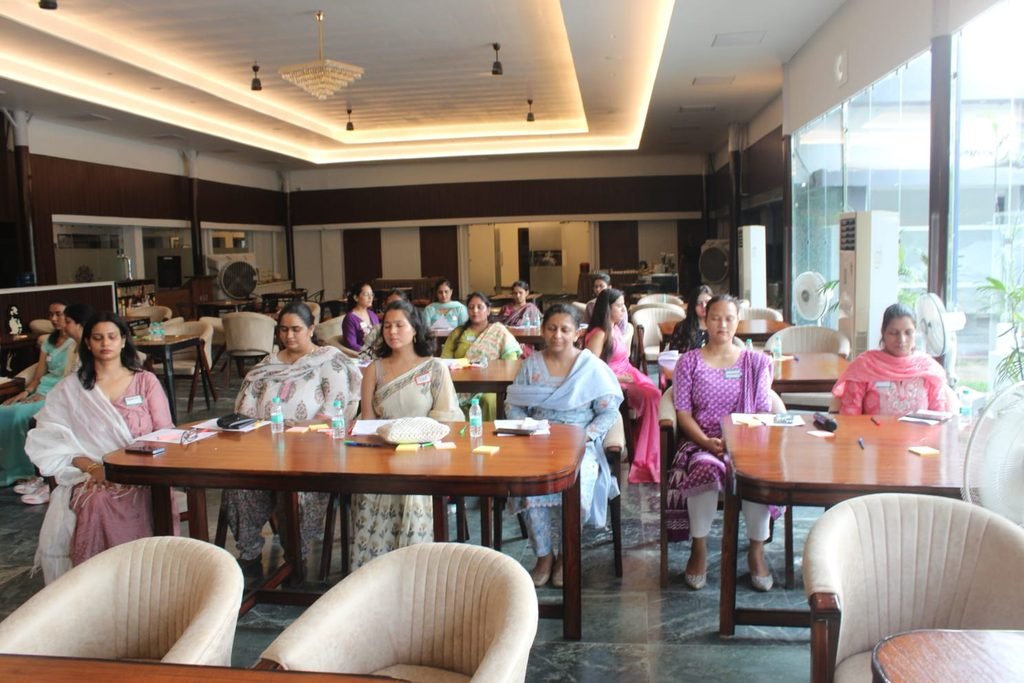
The first day was just for the wives. We offered a space with no judgment and they let their guard down. Given a little space to show up and who they were – not as a spouse, or mother, a daughter, an officer’s wives – what came forward was honest, funny, tender, and probably something spoken aloud for the very first time.
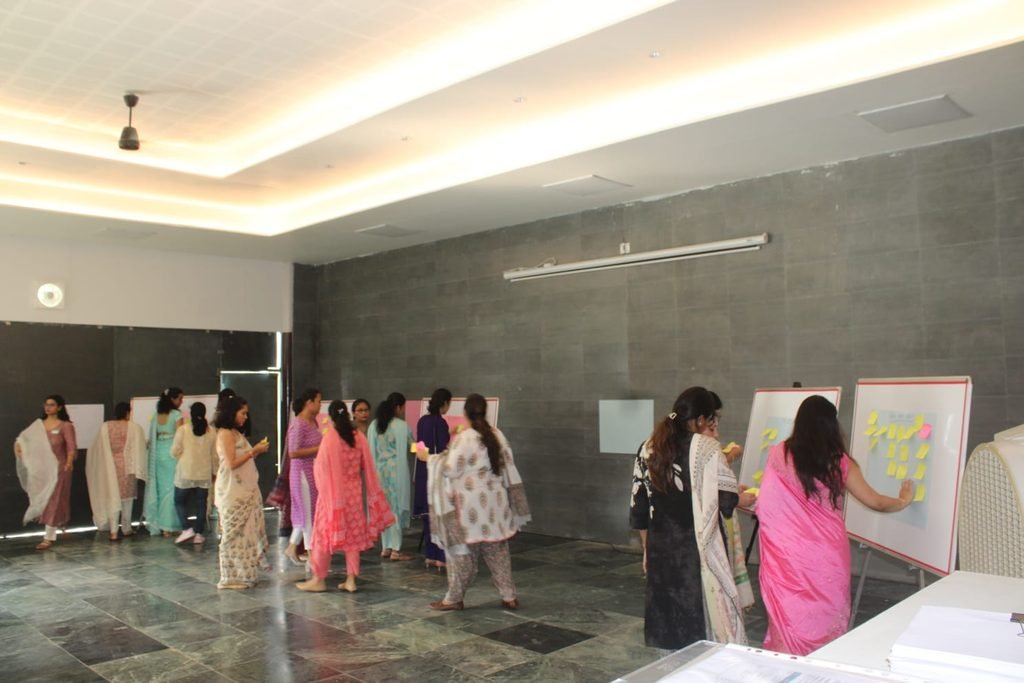
They realised, many for the first time, that the exhaustion they’d been carrying alone was something almost every woman in that room shared. That realisation I am not the only one seemed to lighten something in them. They left relieved, with a sense that they had people to turn to now, without needing to explain everything from scratch. I left that room with real reverence for a kind of strength and camaraderie that rarely gets noticed and applauded.
The Officers Who Showed Up, Fully
The second day brought the officers and their wives together, and this is the part that stayed with me the most. These are men who are trained to be pillars of strength who quite literally carry the weight of the country on their shoulders, like a modern-day Atlas. But underneath that, there’s so much they don’t get to say out loud. Guilt about missed time with their children, the toll of constant postings on their marriages, the realisation about not being close to their ageing parents who may need help in short notice.
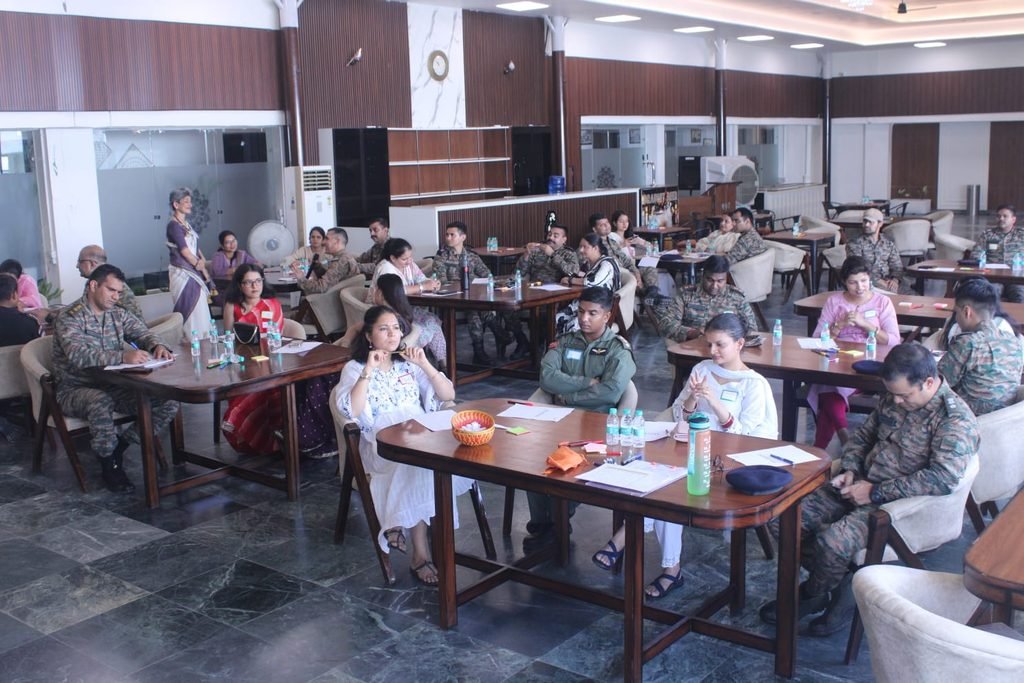
Officers stepped into reflection with genuine openness, setting aside their ranks and naming themselves with a virtue they are known by (Mr Dildaar, Mr Good Cook), listening to their wives in a new way, and speaking honestly about the weight they carry too, something that rarely gets a place to land.
Watching both sides finally see each other more clearly the load carried by the wives in an invisible backpack, and the visible weight of the officer, some for the first time in a long while, was, quite simply, a privilege to witness.
The Teenagers, Our Champions
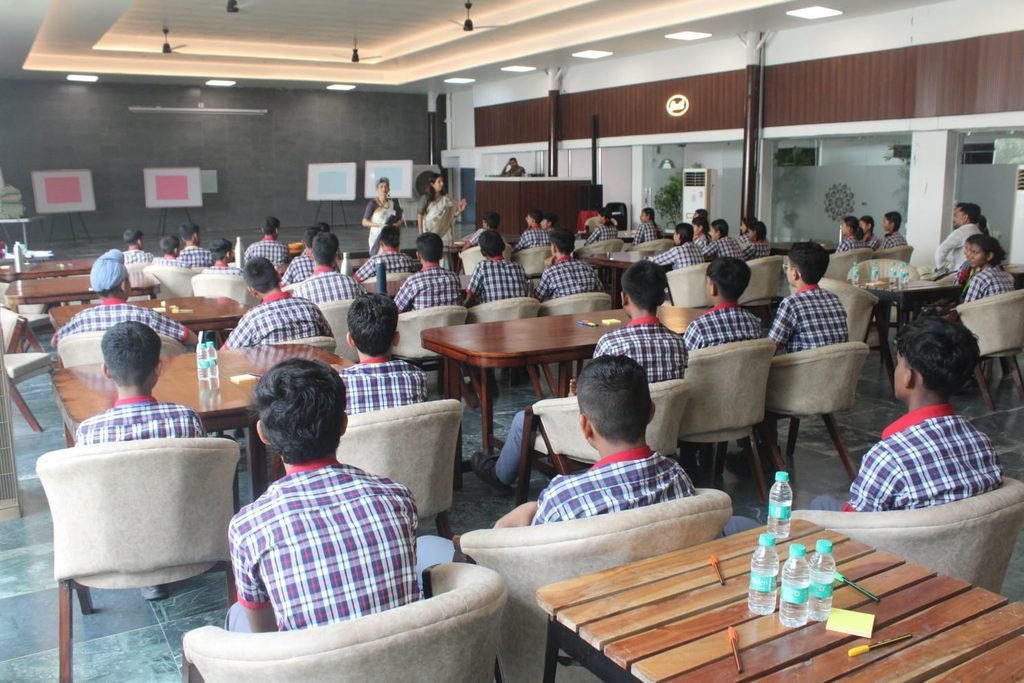
The teenagers session was very interesting. Army kids grow up fluid in a kind of adaptability most adults spend a lifetime trying to build – new schools and ecosystems, new friendships, new versions of ‘home’ again and again, without anyone naming it as a strength. Watching them recognise the opportunities in real time, that their mobility has built the superpower in them was remarkable to see.
Beyond the Sessions
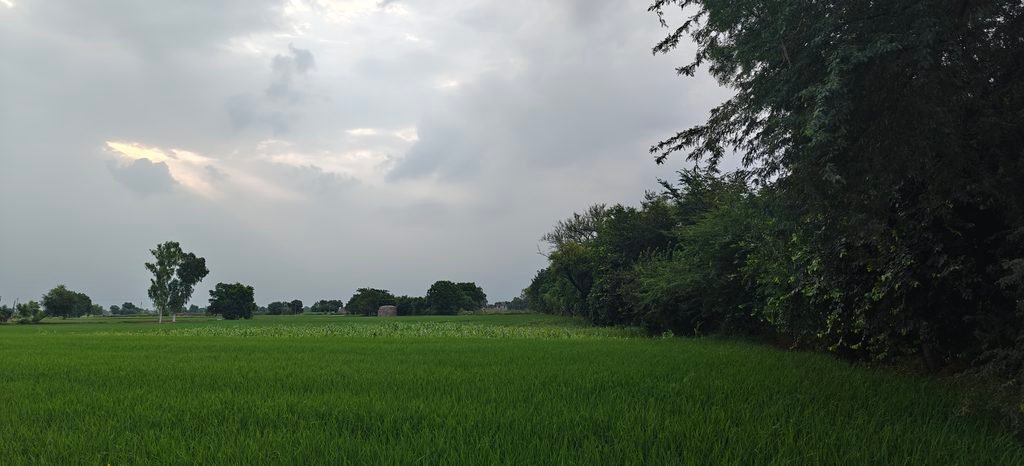
Bathinda gave us its own version of therapy too. The 7-hr drive from Delhi wound through lush green Punjab fields, small village roads, the kind of view that will stay with me long after I am back in Hyderabad traffic. We ate the local tandoori parathas with white butter on roadside dhabas. We came home with beautiful handmade pieces made by the jawans and officers themselves, unexpected reminders of the talent and heart tucked inside that disciplined world.
What This Left Me With
I’ve facilitated many rooms across my career – corporate, executive, leadership. This felt different, this being real, vulnerable, and deeply human. Everyone in these rooms carries so much of daily life without ever expecting to be seen for it, and they keep doing it day after day, week after week, month after month and year after year, that too with grace I found genuinely humbling to witness.
I went in to facilitate. I came back having learned as much as I gave.